


[Autumn Squid Tactics] Tip-Run Egi Color Rotation: How to Rack Up Numbers on High-Activity Early-Season Squid
A color-rotation strategy for catching numbers of high-activity early-season autumn squid. Change colors the moment bites slow down, and pay attention to base-color combinations — Gold, Mexico RB, and Red base Daybreak® produced back-to-back hits. The secret to never letting squid get bored.
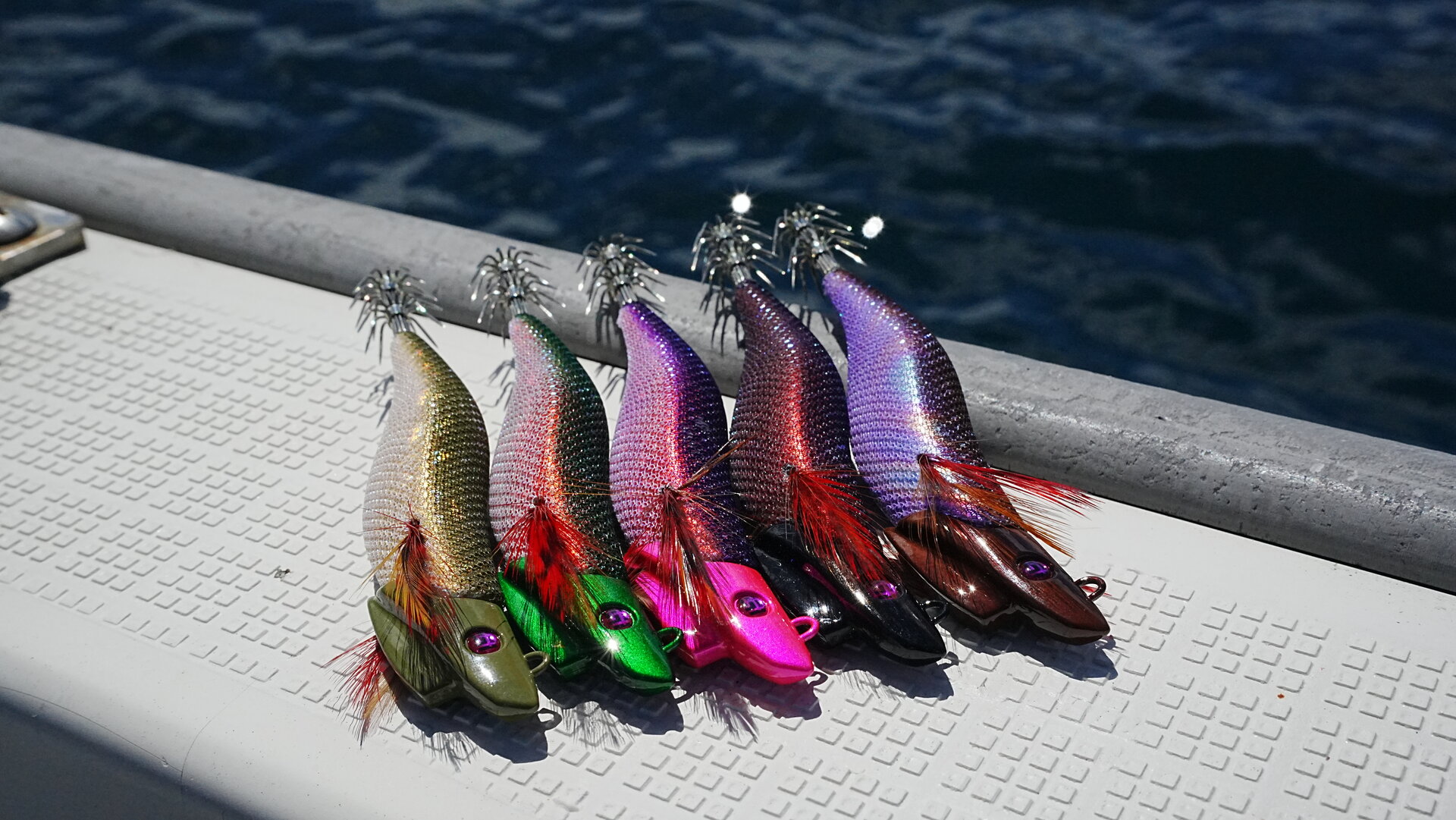
Early-Season Autumn Squid — The Very Challenge of High Activity
Seasonal Traits
Early-season autumn squid are mostly young-of-the-year, curious, and highly active.
Conditions for Numbers
To catch consecutively from the same school, keeping them from getting bored is essential.
The Importance of Color
Not just action — color rotation has a huge influence on your catch.
Mind the Base
Changing not only the surface color but the base color gives them a fresh stimulus.
Color Rotation Strategy — Three Basic Principles
2. Change Colors the Instant Bites Slow Down
Once you make 5 to 10 casts with no response, change color without hesitation. Autumn squid make up their minds quickly, so an early decision directly translates into more catches.
3. Rotation That Considers the Base Color
By changing not just the surface color but the entire base color, you can make the squid perceive it as a completely different egi.
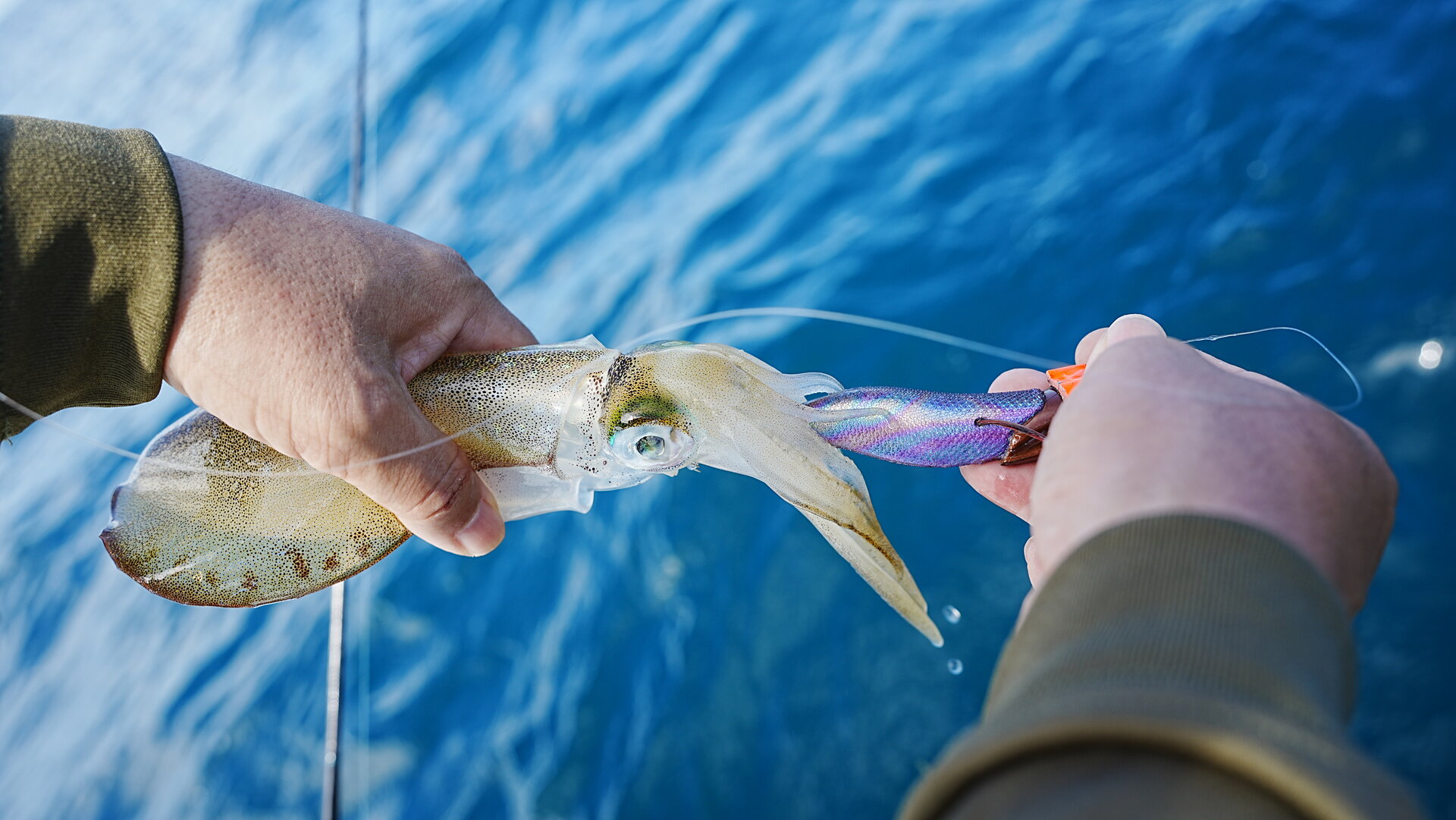
Base-Color Patterns That Proved Effective in the Field
Gold Base
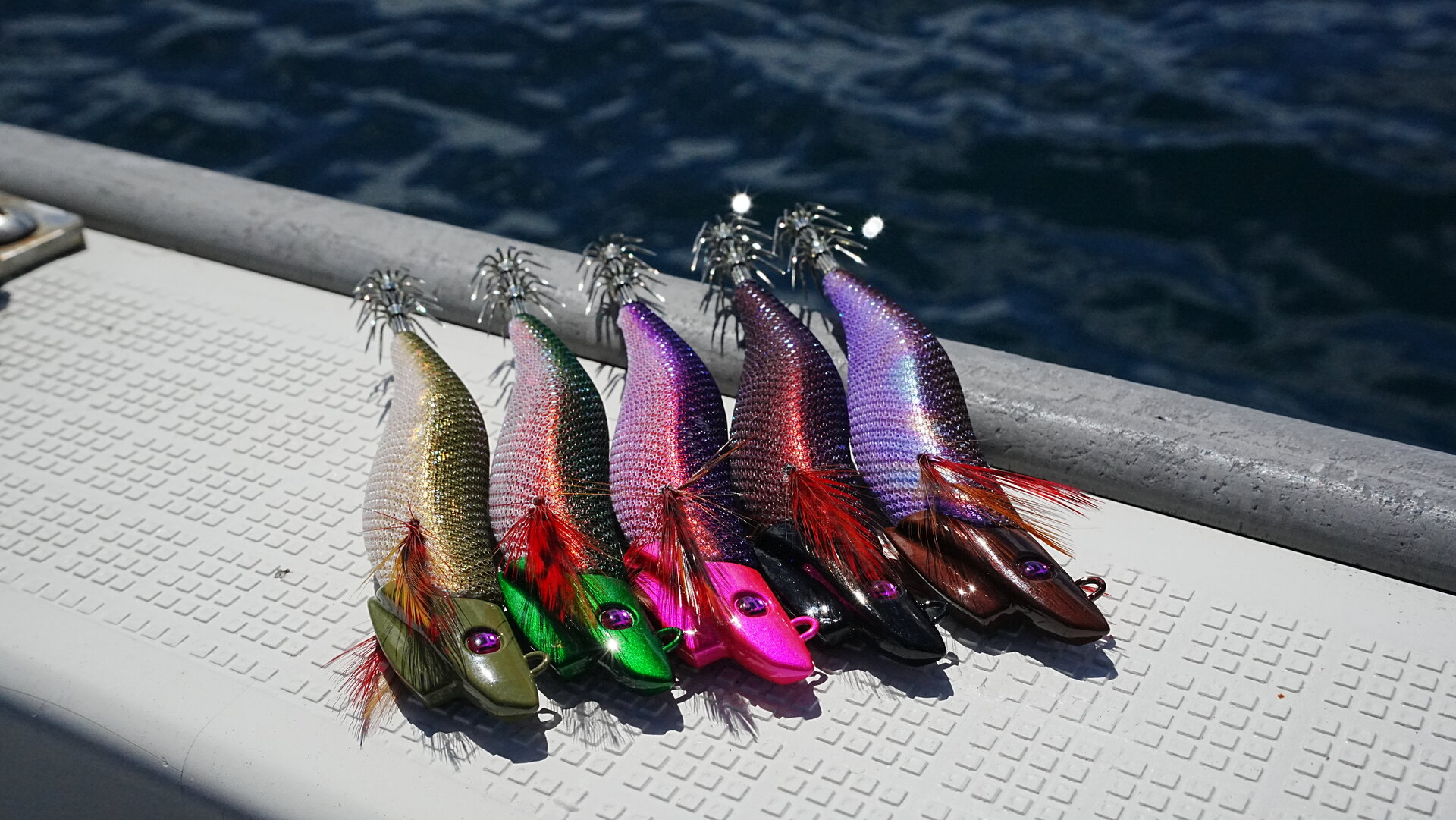
Hit on Daybreak® Galaxy Glow Olive! Especially effective in sunny conditions and clear water. Its sparkling reflection draws in high-activity squid.
Mexico RB Base
Hit on Daybreak® Titanium Chocolat! Shows its power in overcast conditions or when there's a bit of stain in the water. Its distinctive luster is effective.
Red Base
Hit on Daybreak® Galaxy Glow Purple! Effective at dawn/dusk (mazume) and in deep water. The blood-line color imitates baitfish.
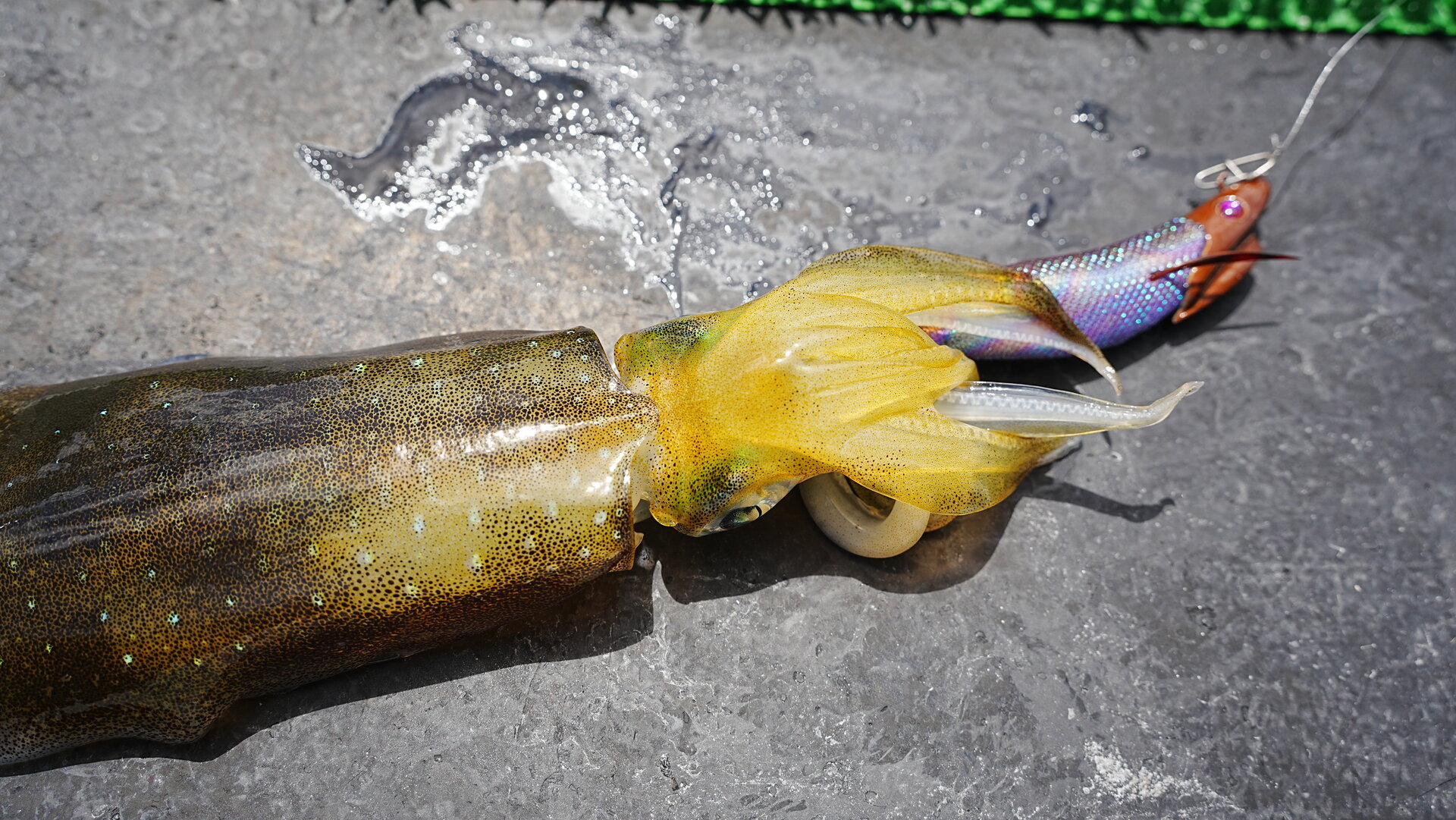
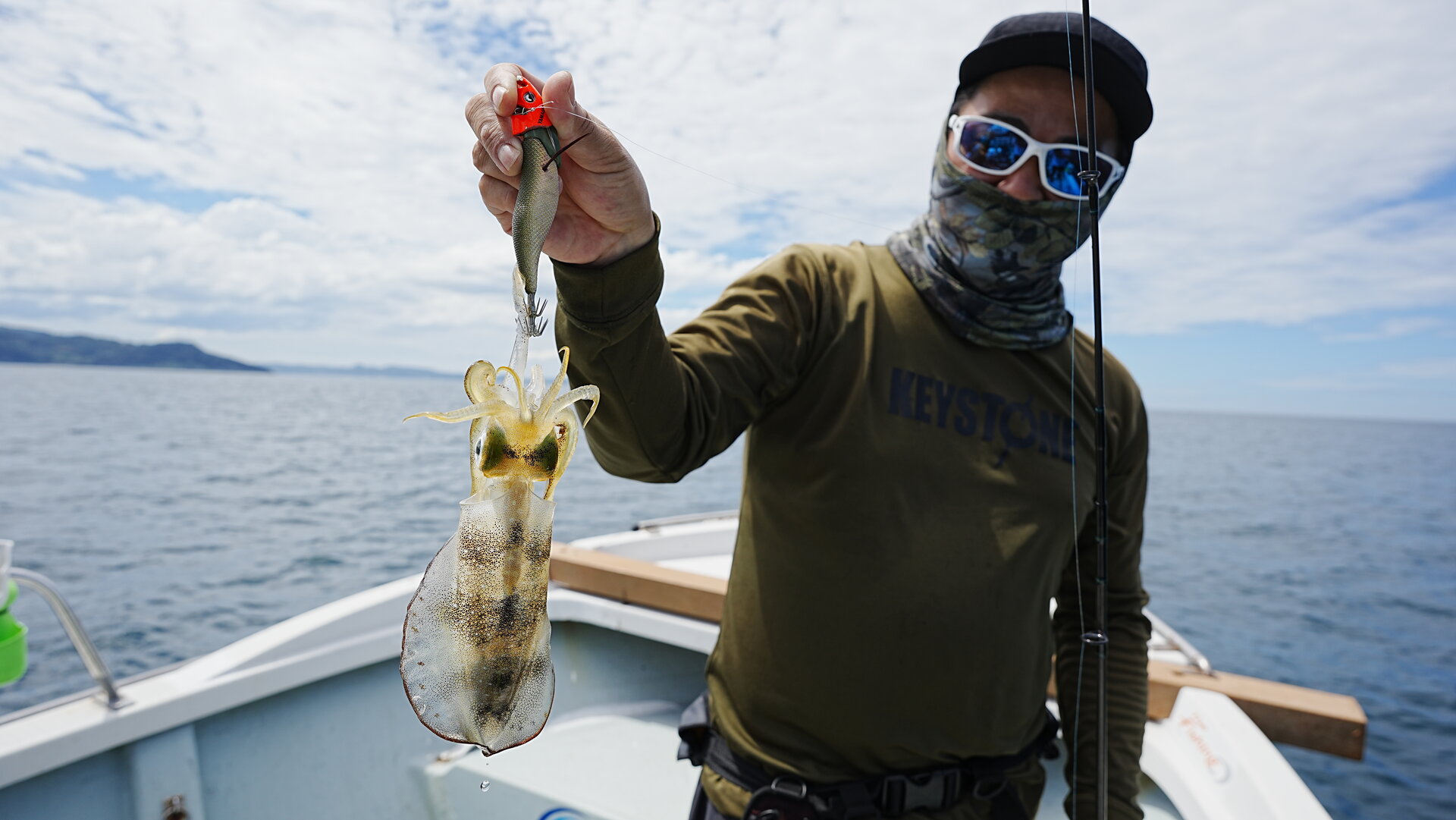
Field Data — Early-Season Tip-Run
In this outing, during early-season tip-run, I once again felt the importance of color rotation.
By repeating this pattern, I succeeded in building numbers from the same spot. In particular, changing the base color clearly revived the response in many cases.
Effective Colors by Time of Day
- First light: Daybreak® Red base Galaxy Glow Purple
- Midday: Daybreak® Gold base Galaxy Glow Olive
- Overcast: Daybreak® Mexico RB base Titanium Chocolat
- Evening mazume: rotate back to Daybreak® Red base types
Combine It With Changes in Action
By varying your action at the same time as rotating colors, you can fish even more effectively without letting the squid get bored.
Early
Increase the number of jerks (shakuri) to appeal to high-activity squid. Catch the most active individuals first.
Middle
A slightly more subdued short jerk plus a longer stay. Target individuals that have grown wary.
Late
Use gentle jerks to imitate a weakened baitfish and approach the most wary individuals.
Field Gallery — The Results of Color Rotation
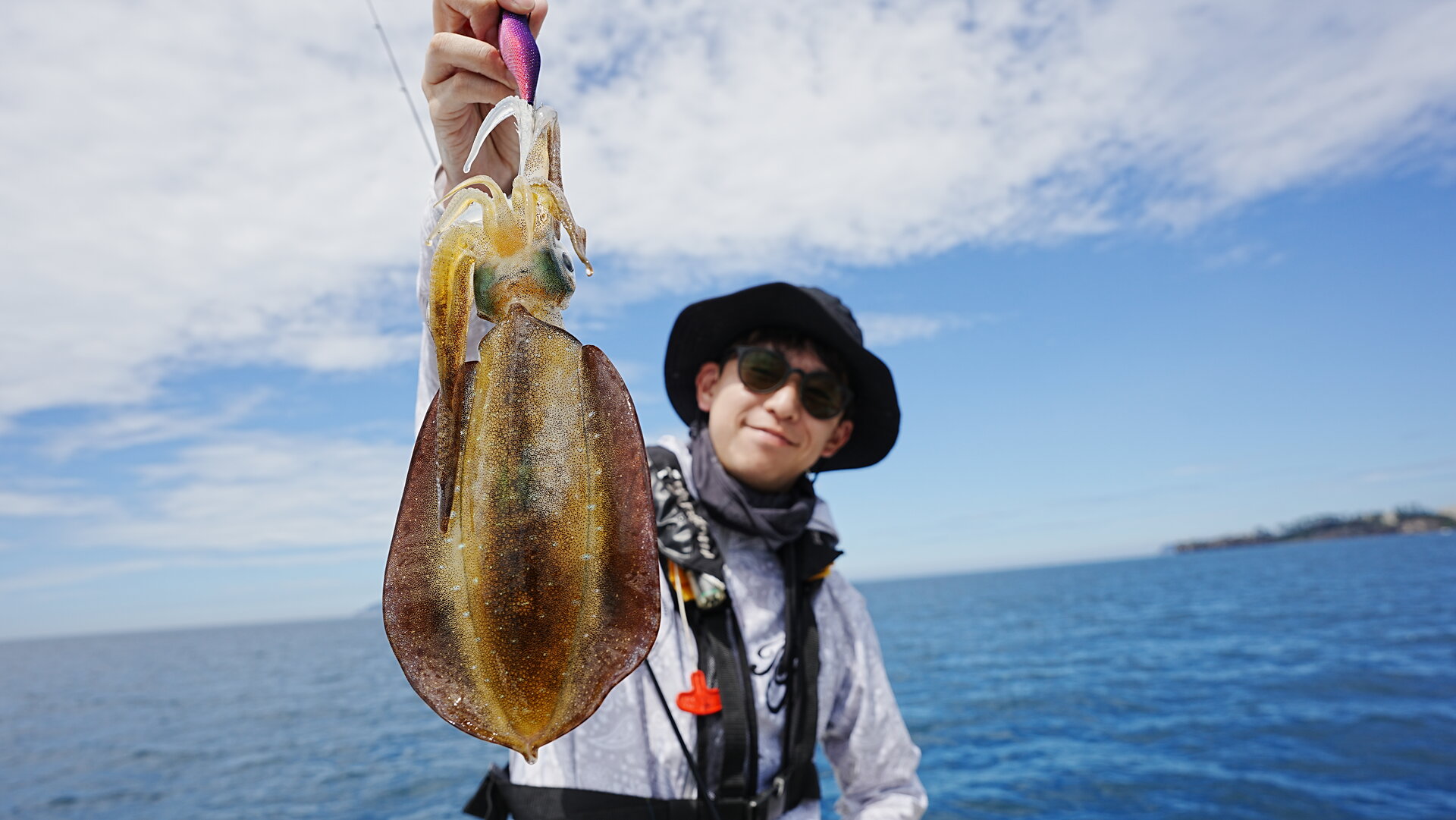
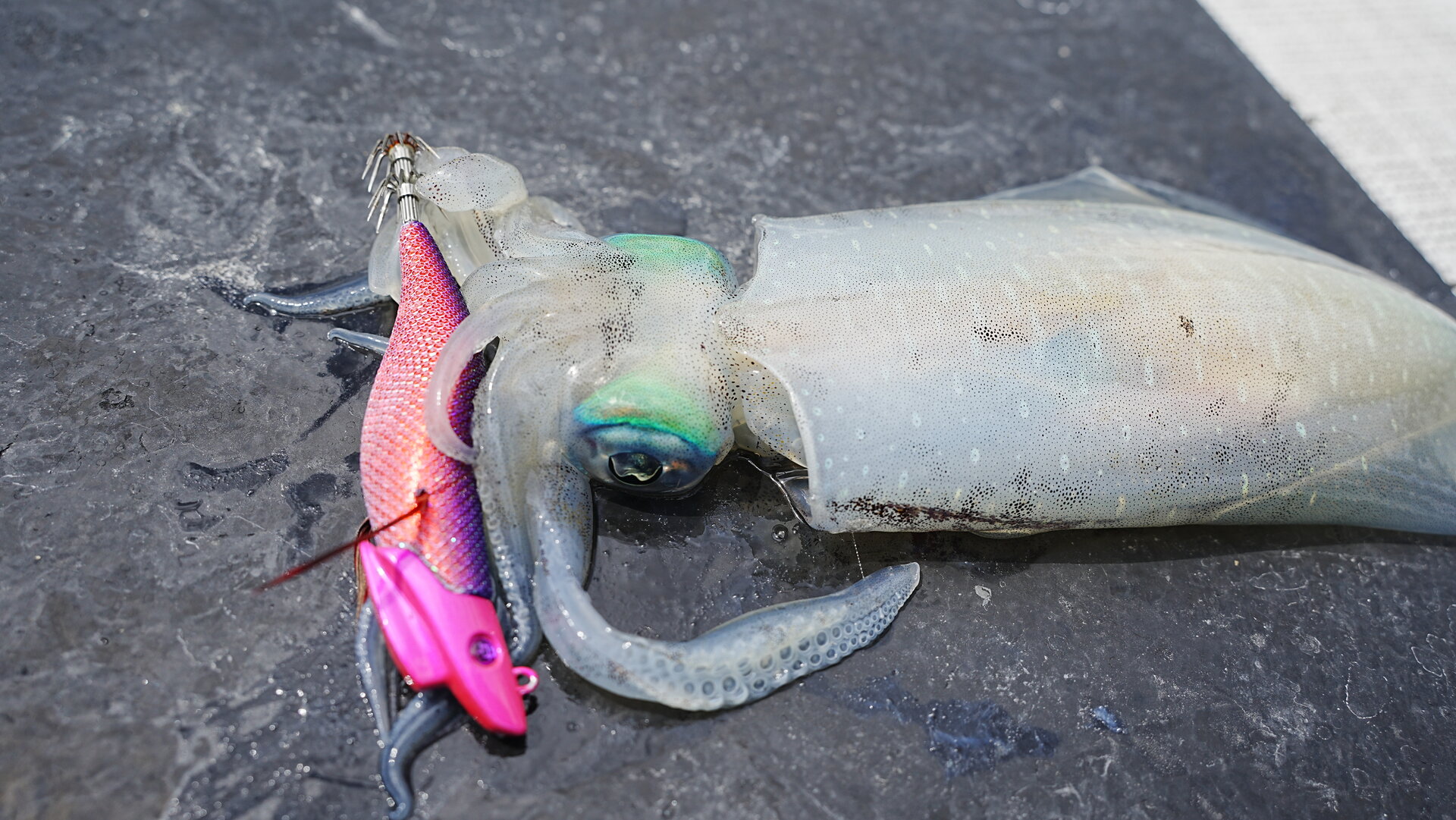
Summary: Never Let the Squid Get Bored — That's the Secret to Autumn Numbers
High-activity early-season autumn squid are certainly easy to catch, but on the flip side they have a trait of getting spooked quickly.
What this outing proved is the importance of color rotation. In particular, combinations that consider the base color — continually giving the squid a fresh stimulus — were the single most important point for catching numbers.
Daybreak® Gold base Galaxy Glow Olive, Mexico RB base Titanium Chocolat, and Red base Galaxy Glow Purple — build your autumn squid game around these three patterns and enjoy.
Color Rotation Q&A
Q. When should you rotate colors?
A. Once you stop getting bites within 5 to 10 casts, change color immediately. Especially after a run of hits, once the bites drop off it is important to switch the base color as well.
Q. How do you choose between base colors?
A. Gold base works in sunny conditions, Mexico RB base in overcast conditions, and Red base at dawn/dusk (mazume) or in stained water. Use them according to the day's conditions.
Q. What is the key to tackling autumn squid?
A. High-activity autumn squid tire quickly of the same pattern. The secret to numbers is to change both action and color frequently, constantly giving them a fresh stimulus.
Q. Can you keep catching on the same color?
A. When the tide changes or a new school moves in, you can sometimes keep catching on the same color. That said, if you get no response for over 5 minutes, we recommend rotating aggressively.